Anges Chiller: Your Reliable Partner for Poor Water Quality and High pH/Acidic Environments
In many industrial and commercial applications, chillers play an indispensable role in maintaining stable operating temperatures, ensuring production efficiency and product quality. However, in regions with poor water quality—characterized by high levels of impurities, suspended solids, or extreme pH values (either overly acidic or alkaline)—chillers often face severe operational challenges that shorten their service life, reduce efficiency, and increase maintenance costs. Understanding the key precautions and adopting professional solutions are critical to ensuring the stable and durable operation of chillers in such harsh water conditions. This article will detail the precautions for using chillers in poor water quality and high acid-alkali environments, provide practical solutions, and introduce how Anges Chiller can help you overcome these challenges.
Key Precautions for Chillers in Poor Water Quality & High Acid-Alkali Environments
Poor water quality and extreme pH levels can cause a series of problems for chillers, including corrosion of internal components, scale formation, blockages, and reduced heat transfer efficiency. To avoid these issues, the following precautions must be strictly followed:
1. Conduct Comprehensive Water Quality Testing Before Operation
Before installing and operating a chiller, it is essential to test the local water quality thoroughly. Focus on detecting key indicators such as pH value, hardness, chloride content, sulfate content, and suspended solids concentration. Generally, the optimal pH range for chiller circulating water is 7.5 to 9.0; water with a pH below 7.5 tends to be corrosive to copper and copper alloys, while a pH above 9.0 is prone to scale formation. Chloride content should not exceed 125 mg/l and sulfate content should be kept below 35 mg/l to avoid corrosion of metal components. Only by understanding the specific water quality conditions can targeted protective measures be formulated.
2. Avoid Direct Use of Untreated Raw Water
Never use untreated tap water, groundwater, or industrial wastewater directly as circulating water for chillers. Such water often contains a large amount of calcium, magnesium ions, and impurities, which will form scale on heat exchange surfaces (such as evaporators and condensers) after long-term circulation. Even a thin layer of scale can reduce heat exchanger efficiency by up to 30%, increasing energy consumption significantly. At the same time, acidic or alkaline water will directly corrode the metal pipelines, valves, and heat exchangers of the chiller, leading to leaks and equipment failure.
3. Implement Regular Cleaning and Maintenance
In harsh water environments, the frequency of chiller cleaning and maintenance should be increased. Regularly clean the condenser, evaporator, and water tank to remove scale, rust, and biological deposits. For units with severe scaling or corrosion, professional descaling and anti-corrosion treatment should be carried out in a timely manner. Additionally, check the water filter regularly and replace the filter element to prevent blockages caused by suspended solids, which can lead to insufficient water flow and overheating of the compressor.
4. Monitor Water Quality and Operational Parameters in Real Time
During the operation of the chiller, continuously monitor the water quality indicators (pH value, hardness, etc.) and operational parameters (water temperature, water pressure, energy consumption, etc.). Once abnormal changes are found—such as a sudden drop or rise in pH value, increased energy consumption, or decreased cooling efficiency—stop the machine for inspection immediately. Timely adjustment and treatment can prevent minor problems from developing into major failures, avoiding costly repairs and production downtime.
5. Choose Corrosion-Resistant Materials and Components
When selecting a chiller for use in poor water quality or high acid-alkali environments, prioritize units with corrosion-resistant components. Key parts that come into contact with water, such as evaporators, condensers, and pipelines, should be made of corrosion-resistant materials like 316 stainless steel or titanium alloy, which have excellent resistance to acidic, alkaline, and salt-containing media. Some components can also be treated with special anti-corrosion coatings (such as anti-corrosion paint or nano-coatings) to further enhance their corrosion resistance.
Practical Solutions for Chillers in Harsh Water Conditions
In addition to strict adherence to the above precautions, adopting targeted water treatment and equipment optimization solutions is the fundamental way to solve the problems caused by poor water quality and extreme pH levels. Here are the most effective solutions:
1. Install Pre-Water Treatment Equipment
Equip the chiller with pre-water treatment equipment to purify the incoming water before it enters the circulating system. Common pre-treatment equipment includes water softeners, filters, and pH adjusters:
• Water softeners: Effectively remove calcium and magnesium ions from hard water, preventing scale formation. Commercial water softeners use resin media to absorb minerals, ensuring soft water enters the chiller system, and the resin can be regenerated with salt for repeated use.
• Filters: Remove suspended solids, sediment, and impurities in the water to avoid blockages in pipelines and heat exchangers. Centrifugal separators can also be used to filter out floating scale and particles, further protecting the system.
• pH adjusters: Use chemicals such as sulfuric acid (to lower pH) or sodium hydroxide (to raise pH) to adjust the water’s pH value to the optimal range, reducing corrosion and scale formation risks.
2. Adopt Professional Water Treatment Chemicals
Add appropriate water treatment chemicals to the chiller’s circulating water system to inhibit corrosion, scale, and biological growth:
• Corrosion inhibitors: Form a protective film on the surface of metal components to prevent electrochemical reactions that cause rust and deterioration. Common types include phosphonates, nitrites, and molybdates.
• Scale inhibitors: Disrupt the formation of scale crystals, keeping calcium and magnesium ions in solution to prevent precipitation. Phosphonates and polyacrylates are widely used effective scale inhibitors.
• Biocides: Eliminate bacteria, algae, and fungi in the water to prevent biofilm formation, which can clog pipelines and reduce heat transfer efficiency. Chlorine, bromine, and quaternary ammonium compounds are common biocides.
3. Optimize Chiller System Design
Choose chillers with a compact and sealed structure, which reduces gaps and exposed interfaces, lowering the risk of corrosive media infiltrating the unit interior. The system should also be designed for easy maintenance and cleaning, such as detachable evaporators and condensers, to facilitate regular maintenance and reduce operational costs. Additionally, ensure stable water flow rate (1.0-3.6 m/s through evaporators and condensers) and install vibration isolators to protect components from damage.
Choose Anges Chiller: Professional Protection for Harsh Water Environments
When facing the challenges of poor water quality and high acid-alkali environments, choosing a professional and reliable chiller brand is crucial. Anges Chiller, with years of experience in industrial cooling and in-depth research on harsh water environment applications, provides you with comprehensive solutions to ensure your chiller operates stably, efficiently, and durably.
Professional Customized Solutions for Poor Water Quality
Anges Chiller has a professional technical team that conducts in-depth analysis of your local water quality (including pH value, hardness, impurity content, etc.) and combines your actual application scenarios to customize exclusive water treatment and chiller operation solutions. Whether it is selecting the appropriate pre-treatment equipment, configuring targeted water treatment chemicals, or optimizing the unit structure, Anges ensures that every detail is tailored to solve the specific problems caused by harsh water conditions.
High-Quality Corrosion-Resistant Components
Anges Chiller adheres to strict quality standards in component selection. All key parts in contact with water—such as evaporators, condensers, and pipelines—are made of high-quality 316 stainless steel, titanium alloy, or other corrosion-resistant materials, and some components are treated with special anti-corrosion coatings to enhance their resistance to acidic, alkaline, and salt-containing media. This effectively prevents corrosion and scale formation, extending the chiller’s service life.
Comprehensive After-Sales Service and Technical Support
Anges Chiller provides full-cycle after-sales service, including on-site installation, commissioning, regular maintenance, and technical consultation. Our professional technicians will regularly inspect your chiller, monitor water quality and operational parameters, and provide timely maintenance and adjustment suggestions to ensure the unit operates at its best. If you encounter any problems related to water quality or chiller operation, our after-sales team will respond quickly to provide professional solutions, minimizing downtime and maintenance costs.
Energy-Saving and Durable Performance
Anges Chiller integrates advanced refrigeration technology and intelligent control systems. Even in harsh water environments, it can maintain stable cooling efficiency and precise temperature control, reducing energy consumption significantly. The unit is equipped with multiple safety protection devices (compressor overload protection, water flow shortage protection, temperature sensor failure protection, etc.), ensuring safe and reliable operation and further extending its service life.
Poor water quality and extreme acid-alkali environments should not be a bottleneck restricting the stable operation of your chiller. With professional precautions, targeted solutions, and the support of Anges Chiller, you can completely avoid the troubles caused by harsh water conditions, ensuring your chiller operates efficiently and durably for a long time. Choose Anges Chiller, and let professional technology protect your production and operation, creating more value for your enterprise.
Anges Shines at Two Major Industry Exhibitions in March 2026, Showcasing Cutting-Edge Chiller Technology
March 2026 marks a fruitful month for Anges, as the global leading industrial refrigeration equipment supplier successfully participated in two influential international exhibitions: The 5th China International Hydrogen Congress & Expo 2026 held in Beijing and Laser World of Photonics Shanghai 2026. With its unwavering commitment to innovation and professional solutions, Anges made a brilliant appearance at both events, showcasing its latest chiller technologies and demonstrating its strong strength in supporting the high-quality development of the hydrogen new energy and electronics industries.
Hosted at the China National Convention Center from March 25 to 27, 2026, the 5th China International Hydrogen Congress & Expo (CIHC 2026) is a world-class event themed "For a New and Green Future, Create Win-Win Cooperation". As a pivotal platform for the global hydrogen industry, the exhibition gathered more than 600 enterprises from over 20 countries, covering the entire hydrogen industrial chain from production, storage, transportation to application. Against this backdrop, Anges presented its advanced chiller solutions tailored for the hydrogen new energy industry, which perfectly address the temperature control needs in key links such as hydrogen electrolysis, compression, drying and purification, as well as fuel cell testing. The chiller technologies exhibited by Anges feature high energy efficiency, stable operation and precise temperature control, effectively improving the efficiency of hydrogen production and ensuring the reliability of related equipment, which has attracted extensive attention from professional visitors and industry peers.
Shortly before, from March 18 to 20, 2026, Anges also participated in Laser World of Photonics Shanghai 2026, a top-level event for the laser, optics and optoelectronics industries in Asia held at the Shanghai New International Expo Centre. With the theme "Embracing a New Era·Leading into the Future", this exhibition has become a core hub of the global optoelectronics industry ecological chain, gathering more than 1,400 exhibitors and tens of thousands of professional visitors from around the world. At the exhibition, Anges focused on displaying its precision chiller technologies applicable to the electronics industry, especially for semiconductor manufacturing, laser equipment, optical components and other fields. These chillers boast ultra-high precision temperature control (up to ±0.01℃), energy-saving performance and stable operation, which can effectively protect electronic components from thermal damage, improve production efficiency and product yield, and perfectly meet the strict temperature control requirements of the electronics industry.
With over 20 years of R&D experience and a commitment to the concept of "environmental protection, energy conservation, intelligence and efficiency", Anges has developed a series of high-quality chiller products with 43 patented technologies, and built a modern production base of 40,000 square meters. The latest chiller technologies showcased at the two exhibitions not only reflect Anges' strong R&D capabilities and technological innovation strength, but also demonstrate its in-depth understanding of the hydrogen new energy and electronics industries. By closely integrating technological innovation with industry needs, Anges has provided professional, efficient and reliable temperature control solutions for numerous enterprises in these two fields, successfully winning the priority choice of a large number of customers and establishing a good brand reputation in the industry.
Looking ahead, Anges will continue to focus on technological innovation, deepen its layout in the hydrogen new energy and electronics industries, and continuously launch more high-quality, efficient and intelligent chiller products and solutions. With its professional strength and sincere service, Anges is committed to helping more enterprises achieve energy conservation, emission reduction and high-quality development, and making greater contributions to the progress of global industrial refrigeration technology and the development of green and high-tech industries.
2026 Year of the Horse Spring Festival Holiday Notice
Dear Valued Clients, Partners, and Colleagues,
To celebrate the traditional Chinese Spring Festival (Year of the Horse), we hereby announce our holiday arrangement for 2026. We appreciate your long-term support and understanding, and we apologize for any inconvenience this may cause.
Our holiday will be from February 14, 2026 to February 26, 2026. We will resume normal business operations on February 27, 2026 (Friday).
During the holiday period, our office will be closed, and we will temporarily suspend daily business operations, including but not limited to order processing, customer service, and on-site services. For urgent matters, please contact the designated person in charge, and we will respond to you as soon as possible.
The Year of the Horse symbolizes vitality, progress and prosperity. On the occasion of the Spring Festival, we would like to extend our sincere greetings and best wishes to you and your family. May you have a happy and prosperous Year of the Horse, with good health, smooth work and all wishes come true!
We look forward to continuing our close cooperation with you in the new year and creating greater value together.
Thank you for your attention and support.
Best regards,
Shenzhen Anges Machinery Co.,Ltd
2026/02/11
Selection Guide: Air-Cooled vs Water-Cooled Industrial Chillers
Industrial chillers are key equipment for cooling in factories, workshops, and other industrial sites. Choosing between air-cooled and water-cooled types depends on your actual conditions. This guide helps you make a simple and suitable choice.
1. Basic Introduction
Both types of chillers work to remove heat from industrial processes, but they use different ways to dissipate the collected heat.
• Air-Cooled Chillers: Dissipate heat directly into the surrounding air through built-in fans. No extra water system is needed.
• Water-Cooled Chillers: Dissipate heat into cooling water first, then the water is cooled by a cooling tower and reused. They require a matching water system (cooling tower, pipes, etc.).
2. Key Differences & Pros and Cons
Aspects
Air-Cooled Chillers
Water-Cooled Chillers
Installation
Simple: Only need a well-ventilated space. No water pipes or cooling towers.
Complex: Need to install cooling towers, water pumps, and pipe networks. Take more space.
Operating Cost
Higher electricity cost: Fans consume more power, especially in high-temperature environments.
Lower electricity cost: More energy-efficient, but has water cost and maintenance fees for the water system.
Cooling Efficiency
Affected by ambient temperature: Efficiency drops when the air is hot (above 35℃).
Stable efficiency: Less affected by ambient temperature, suitable for high-cooling-demand scenarios.
Maintenance
Easy: Only need to clean fans and filters regularly.
More work: Need to maintain cooling towers, water pipes (prevent scaling and corrosion), and replace water regularly.
Space Requirement
Small: Compact design, can be installed on roofs or open grounds.
Large: Need space for cooling towers and water tanks.
3. Selection Suggestions
Choose Air-Cooled Chillers If:
• You have limited space and do not want to install complex water systems.
• The ambient temperature is relatively stable (not too hot for a long time) and the cooling demand is not extremely high.
• You prefer easy maintenance and want to reduce installation time and costs.
• Water resources are scarce in your area (no need for circulating water).
Choose Water-Cooled Chillers If:
• You have large cooling demand (e.g., heavy industrial production) and need stable cooling efficiency.
• You have sufficient space and can install cooling towers and water pipelines.
• You want to save long-term electricity costs (higher initial investment but lower operating costs).
• The ambient temperature is often high (water cooling is less affected by high temperature).
4. Final Tip
If you are unsure about your specific needs (e.g., cooling capacity, local climate, or space size), consult a professional industrial equipment supplier. They can provide customized suggestions based on your actual situation.
Global Cooling Solutions: SZAGS Powers Major Colombian Manufacturer with High-Capacity Chiller Systems
.gtr-container-chiller-news-789 {
font-family: Verdana, Helvetica, "Times New Roman", Arial, sans-serif;
font-size: 14px;
line-height: 1.6;
color: #333;
padding: 15px;
box-sizing: border-box;
max-width: 100%;
margin: 0 auto;
}
.gtr-container-chiller-news-789 p {
margin-bottom: 1em;
text-align: left !important;
}
.gtr-container-chiller-news-789 .gtr-title {
font-size: 18px;
font-weight: bold;
margin-bottom: 1.5em;
color: #0056b3;
text-align: left;
}
.gtr-container-chiller-news-789 .gtr-subtitle {
font-size: 16px;
font-weight: bold;
margin-top: 1.5em;
margin-bottom: 1em;
color: #0056b3;
text-align: left;
}
.gtr-container-chiller-news-789 ul {
list-style: none !important;
margin: 1em 0;
padding: 0;
}
.gtr-container-chiller-news-789 ul li {
position: relative;
padding-left: 20px;
margin-bottom: 0.5em;
list-style: none !important;
text-align: left;
}
.gtr-container-chiller-news-789 ul li::before {
content: "•" !important;
position: absolute !important;
left: 0 !important;
color: #0056b3;
font-size: 1.2em;
line-height: 1;
top: 0;
}
.gtr-container-chiller-news-789 .gtr-quote {
font-style: italic;
margin: 2em 0;
padding: 15px 20px;
border-left: 4px solid #0056b3;
color: #555;
}
.gtr-container-chiller-news-789 .gtr-quote p {
margin-bottom: 0;
}
@media (min-width: 768px) {
.gtr-container-chiller-news-789 {
padding: 25px 40px;
max-width: 960px;
}
}
Successful installation of 15-Ton and 40-Ton industrial chillers ensures precision and productivity for advanced thermoforming processes.
SZAGS, a leading provider of industrial temperature control solutions, today announced the successful commissioning of two high-performance chillers at the facility of a prominent manufacturer in Colombia. The installation, comprising a robust 15-Ton and a powerful 40-Ton Industrial Chiller, is dedicated to supporting the client's state-of-the-art thermoforming machinery, a critical step in their production of high-quality packaging and products.
Facing the challenges of a demanding production schedule and the need for consistent product quality, the Colombian client required a reliable and efficient cooling system. The intense heat generated during the thermoforming process must be precisely controlled to ensure dimensional accuracy, excellent surface finish, and reduced cycle times.
SZAGS delivered a tailored solution:
A 40-Ton chiller was deployed to handle the primary heat load of the large-format thermoforming machine, guaranteeing stable and powerful cooling capacity.
A complementary 15-Ton chiller was installed to support auxiliary processes or a secondary production line, providing operational flexibility and redundancy.
"Our team worked closely with the client to understand their specific thermal demands and the environmental conditions in Colombia, said Sales Engineer. "The seamless integration of our 15-Ton and 40-Ton chillers into their existing setup is a testament to our engineering expertise and our commitment to supporting global manufacturing excellence. This project underscores our ability to deliver robust cooling solutions that drive efficiency and productivity, even in the most demanding applications."
The new chilling systems are already delivering significant benefits to the client, including:
Enhanced Product Quality: Consistent mold temperature control eliminates defects like warping or sinking.
Increased Production Speed: Optimized cooling cycles allow for faster throughput.
Improved Operational Uptime: The high-reliability design of the chillers minimizes maintenance and prevents production stoppages.
Energy Efficiency: The chillers are designed for optimal performance, helping to reduce the client's overall operating costs.
This successful project in Colombia marks a significant step in SZAGS's expansion in the Latin American market and reinforces its position as a trusted partner for the plastics and packaging industry worldwide.
Installation, Maintenance, and User Experience of AGS Portable Water Chillers
.gtr-container-d9f2a1b3 {
font-family: Verdana, Helvetica, "Times New Roman", Arial, sans-serif;
color: #333;
max-width: 100%;
padding: 15px;
box-sizing: border-box;
line-height: 1.6;
}
.gtr-container-d9f2a1b3 .gtr-title {
font-size: 18px;
font-weight: bold;
margin-bottom: 1.5em;
color: #0056b3;
text-align: center;
}
.gtr-container-d9f2a1b3 p {
font-size: 14px;
margin-bottom: 1em;
text-align: left !important;
}
@media (min-width: 768px) {
.gtr-container-d9f2a1b3 {
max-width: 800px;
margin: 20px auto;
padding: 30px;
}
}
Ease of Installation and Maintenance
Ease of installation and maintenance is a key factor for industrial equipment, particularly in environments where downtime must be minimized. AGS Portable Water Chillers are designed with user convenience in mind, ensuring that operators can deploy, monitor, and maintain the units efficiently while maintaining reliable cooling performance.
The compact and portable design simplifies installation. Units require minimal floor space and can be relocated as needed, making them suitable for facilities with limited room or modular production lines. Piping and electrical connections are straightforward, allowing quick integration with existing equipment without the need for extensive modifications. This flexibility ensures that production processes can resume quickly, even when new cooling capacity is required.
Maintenance is streamlined thanks to the modular design. Components such as compressors, heat exchangers, and pumps can be accessed and replaced without disassembling the entire system. Routine inspections, fluid replacement, and filter cleaning are straightforward tasks, reducing downtime and service costs. Operators can maintain optimal performance without specialized training, increasing productivity and minimizing disruptions to operations.
User-friendly controls enhance the operator experience. Clear interfaces allow precise temperature setting, monitoring, and adjustment, while safety features such as over-temperature and low-water protections prevent damage to both the chiller and connected equipment. These safeguards ensure safe operation in demanding industrial environments, giving operators confidence in the unit’s reliability.
Customer feedback highlights the benefits of AGS Portable Water Chillers. Users consistently report improvements in equipment reliability, consistent cooling performance, and the convenience of mobility. Facilities that integrate these chillers into their processes experience smoother operations, fewer equipment failures, and reduced operational stress. The combination of portability, reliability, and ease of use makes these units highly valued across multiple industrial sectors.
In conclusion, AGS Portable Water Chillers are designed to deliver a superior user experience through simplified installation, straightforward maintenance, and intuitive controls. Their modular design, built-in safety features, and mobility make them ideal for industrial applications requiring temporary or flexible cooling solutions. By offering reliable performance and ease of operation, these chillers support efficient production, reduce downtime, and enhance overall process reliability in demanding industrial environments.
Energy Efficiency and Cost Benefits of AGS Portable Water Chillers
/* Unique component identifier */
.gtr-container-x7y2z1 {
font-family: Verdana, Helvetica, "Times New Roman", Arial, sans-serif;
color: #333;
line-height: 1.6;
padding: 15px;
max-width: 100%; /* Mobile first */
box-sizing: border-box;
border: none !important; /* Ensure no border on root container */
outline: none !important; /* Ensure no outline on root container */
}
/* Section Title Styling */
.gtr-container-x7y2z1 .gtr-section-title-x7y2z1 {
font-size: 18px;
font-weight: bold;
color: #0056b3; /* A professional blue for emphasis */
margin-bottom: 20px;
text-align: left;
padding-bottom: 10px;
border-bottom: 1px solid #eee; /* Subtle separator */
}
/* Paragraph Styling */
.gtr-container-x7y2z1 p {
font-size: 14px;
line-height: 1.6;
margin-bottom: 15px;
text-align: left !important; /* Enforce left alignment */
color: #333;
word-break: normal; /* Prevent breaking words unnaturally */
overflow-wrap: normal; /* Prevent breaking words unnaturally */
}
/* Strong tag within paragraphs for emphasis */
.gtr-container-x7y2z1 p strong {
color: #0056b3; /* Highlight key phrases */
font-weight: bold;
}
/* Unordered List Styling for Benefits */
.gtr-container-x7y2z1 .gtr-benefits-list-x7y2z1 {
list-style: none !important; /* Remove default list style */
margin: 0 !important; /* Reset margin */
padding: 0 !important; /* Reset padding */
margin-bottom: 20px;
}
.gtr-container-x7y2z1 .gtr-benefits-list-x7y2z1 li {
position: relative;
padding-left: 25px; /* Space for custom bullet */
margin-bottom: 15px;
font-size: 14px;
line-height: 1.6;
text-align: left !important; /* Enforce left alignment */
color: #333;
}
/* Custom bullet point for list items */
.gtr-container-x7y2z1 .gtr-benefits-list-x7y2z1 li::before {
content: "•"; /* Custom bullet character */
position: absolute;
left: 0;
top: 0;
color: #0056b3; /* Bullet color */
font-size: 16px;
line-height: 1.6;
font-weight: bold;
}
/* Conclusion Paragraph Styling */
.gtr-container-x7y2z1 .gtr-conclusion-x7y2z1 {
font-size: 14px;
line-height: 1.6;
margin-top: 20px;
padding-top: 15px;
border-top: 1px solid #eee; /* Subtle separator */
text-align: left !important; /* Enforce left alignment */
color: #333;
}
/* Responsive adjustments for PC (min-width: 768px) */
@media (min-width: 768px) {
.gtr-container-x7y2z1 {
max-width: 960px; /* Max width for larger screens */
margin: 20px auto; /* Center the component */
padding: 30px;
}
.gtr-container-x7y2z1 .gtr-section-title-x7y2z1 {
font-size: 20px; /* Slightly larger title on PC */
margin-bottom: 25px;
}
.gtr-container-x7y2z1 p,
.gtr-container-x7y2z1 .gtr-benefits-list-x7y2z1 li {
font-size: 15px; /* Slightly larger text on PC for better readability */
}
}
AGS Portable Water Chillers: Energy Efficiency & Cost-Effectiveness
Energy efficiency and cost-effectiveness are critical considerations for any industrial cooling system. AGS Portable Water Chillers are engineered to deliver both high performance and reduced energy consumption, making them a smart choice for companies aiming to optimize operational costs while maintaining reliable cooling.
The high-efficiency screw compressor is a central feature that enhances performance while reducing electricity usage. Unlike conventional compressors, the screw design maintains consistent cooling capacity with lower energy input. Paired with advanced heat exchangers, these chillers maximize heat transfer efficiency, ensuring rapid temperature control with minimal energy waste. As a result, companies experience lower utility bills and improved overall energy efficiency.
Optimized control systems contribute to cost savings by adjusting cooling output according to real-time demand. Operators can set target temperatures, monitor system performance, and automate operation to prevent overcooling or energy waste. This precision ensures that energy is only used when necessary, reducing operational costs while extending the life of both the chiller and connected equipment.
Reduced maintenance costs are another financial benefit. AGS Portable Water Chillers feature modular components that simplify service and replacement, reducing labor time and minimizing downtime. The units are designed for reliability, with built-in protections against overpressure, low water flow, and temperature extremes. This reduces the likelihood of unexpected failures and costly repairs, providing long-term savings over the lifespan of the equipment.
Environmental considerations also factor into the cost-benefit equation. Lower energy consumption translates to reduced carbon emissions, supporting corporate sustainability initiatives and compliance with environmental regulations. Facilities that adopt energy-efficient chillers can improve their operational footprint while potentially benefiting from energy incentives or reduced regulatory risk.
Operational flexibility further contributes to cost optimization. The portable design allows a single chiller to serve multiple applications or locations as needed. Facilities can deploy units temporarily for specific projects or peak demand periods, avoiding the expense of installing multiple permanent systems. This flexibility helps companies adapt to production changes without large capital investments.
In conclusion, AGS Portable Water Chillers offer a compelling combination of energy efficiency, cost savings, and operational flexibility. Their high-performance compressors, optimized heat exchangers, and intelligent control systems ensure effective cooling with minimal energy consumption. Reduced maintenance needs and the ability to redeploy units across different applications further enhance their economic value. For companies seeking to maximize operational efficiency while minimizing energy and maintenance costs, AGS Portable Water Chillers represent a highly cost-effective solution.
Industrial Applications of AGS Portable Water Chillers
.gtr-container-mno789pqr {
font-family: Verdana, Helvetica, "Times New Roman", Arial, sans-serif;
color: #333;
padding: 20px;
line-height: 1.6;
box-sizing: border-box;
max-width: 100%;
margin: 0 auto;
}
.gtr-container-mno789pqr p {
font-size: 14px;
margin-bottom: 1em;
text-align: left !important;
line-height: 1.6;
word-break: normal;
overflow-wrap: normal;
}
.gtr-container-mno789pqr .gtr-title {
font-size: 18px;
font-weight: bold;
margin-bottom: 1.5em;
color: #0056b3;
text-align: left;
}
.gtr-container-mno789pqr .gtr-section-heading {
font-size: 16px;
font-weight: bold;
margin-top: 2em;
margin-bottom: 1em;
color: #0056b3;
text-align: left;
border-bottom: 1px solid #eee;
padding-bottom: 5px;
}
.gtr-container-mno789pqr .gtr-sub-heading {
font-size: 15px;
font-weight: bold;
margin-top: 1.5em;
margin-bottom: 0.8em;
color: #555;
text-align: left;
}
@media (min-width: 768px) {
.gtr-container-mno789pqr {
max-width: 960px;
padding: 30px;
}
.gtr-container-mno789pqr .gtr-title {
font-size: 20px;
}
.gtr-container-mno789pqr .gtr-section-heading {
font-size: 18px;
}
.gtr-container-mno789pqr .gtr-sub-heading {
font-size: 16px;
}
}
AGS Portable Water Chillers: Versatile Cooling Solutions
In modern industrial operations, maintaining precise temperature control is essential to ensure product quality, equipment longevity, and operational efficiency. AGS Portable Water Chillers provide a practical and effective solution for industries that require localized or temporary cooling. Their portability, reliability, and intelligent design allow manufacturers to address temperature management challenges in multiple sectors.
Key Applications
Plastics Manufacturing
Plastics manufacturing is one of the most common applications for portable chillers. Injection molding and extrusion processes generate significant heat, and uncontrolled temperatures can compromise material quality and increase defect rates. AGS Portable Water Chillers help maintain consistent processing temperatures, ensuring optimal product quality and reducing material waste. By keeping molds and equipment within specified temperature ranges, these chillers also extend the life of expensive machinery components.
Electronics and Laser Manufacturing
The electronics and laser manufacturing sectors also rely heavily on stable cooling solutions. Sensitive equipment such as lasers, precision circuit boards, and semiconductor testing systems can be adversely affected by temperature fluctuations. Portable water chillers allow precise thermal control in localized areas, protecting equipment performance and minimizing the risk of downtime. Facilities that implement these chillers often see improvements in production consistency and product yield.
Food and Beverage Industry
In the food and beverage industry, maintaining proper temperatures during processing, storage, and packaging is critical to meet safety and quality standards. AGS Portable Water Chillers provide consistent cooling for equipment such as mixers, pasteurizers, and filling machines. This precise thermal management helps prevent microbial growth, maintain product quality, and ensure compliance with industry regulations. The portability of these units allows them to be deployed wherever temporary cooling is required, such as seasonal production lines or special projects.
Research and Laboratory Environments
Another important application is in research and laboratory environments. Many experimental setups require controlled cooling for testing equipment, chemical reactions, or environmental simulations. Portable chillers can be moved to multiple workstations as needed, offering flexibility that stationary chillers cannot match. Their compact design and easy integration make them ideal for laboratories and pilot plants.
Operational Advantages
Operational advantages extend beyond performance. Using AGS Portable Water Chillers can reduce production downtime by providing immediate cooling without requiring extensive installation. The units are designed to operate quietly, minimizing disruption in production areas, and their user-friendly controls allow operators to adjust temperatures accurately without specialized training. Additionally, built-in safety features, such as low water flow protection and automatic shutdown in abnormal conditions, ensure safe and reliable operation.
Conclusion
In conclusion, AGS Portable Water Chillers serve as an indispensable tool in multiple industrial sectors, including plastics, electronics, food and beverage, and laboratory research. Their mobility, precision, and reliability allow facilities to maintain optimal temperatures, protect equipment, and improve product quality. By offering targeted cooling exactly where it is needed, these chillers enhance efficiency and flexibility, making them a practical choice for modern industrial operations.
Overview of AGS Portable Water Chillers
.gtr-container-d4f7h9 {
font-family: Verdana, Helvetica, "Times New Roman", Arial, sans-serif;
color: #333;
padding: 15px;
line-height: 1.6;
box-sizing: border-box;
}
.gtr-container-d4f7h9__title {
font-size: 18px;
font-weight: bold;
margin-bottom: 20px;
text-align: left;
color: #0056b3;
}
.gtr-container-d4f7h9 p {
font-size: 14px;
margin-bottom: 15px;
text-align: left !important;
line-height: 1.6;
word-break: normal;
overflow-wrap: normal;
}
@media (min-width: 768px) {
.gtr-container-d4f7h9 {
padding: 25px 50px;
max-width: 960px;
margin: 0 auto;
}
.gtr-container-d4f7h9__title {
font-size: 22px;
margin-bottom: 25px;
}
.gtr-container-d4f7h9 p {
margin-bottom: 20px;
}
}
AGS Portable Water Chillers Overview
Portable water chillers have become essential tools for industries requiring reliable, flexible, and efficient cooling solutions. Among the leading options available today, AGS Portable Water Chillers stand out for their combination of performance, mobility, and intelligent design. Designed with a high-efficiency screw compressor, optimized heat exchanger, and advanced control system, these units provide stable cooling capacity across a wide range of industrial applications.
One of the most prominent features of AGS Portable Water Chillers is their versatility. Unlike traditional stationary chillers, these portable units are designed to be easily relocated within a facility. This flexibility allows manufacturers to deploy cooling precisely where it is needed, whether for temporary installations, process testing, or emergency cooling. Their compact footprint ensures that they occupy minimal space, which is ideal for plants with constrained floor areas or modular production lines.
The applications for AGS Portable Water Chillers are extensive. In the plastics industry, they are often used to cool injection molding machines and extruders, ensuring consistent product quality and preventing overheating. Electronics manufacturers benefit from precise cooling for laser systems, PCB production, and testing equipment, where temperature fluctuations can compromise performance. Food and beverage processors use portable chillers to maintain consistent temperatures in processing equipment and storage units, improving both safety and quality.
A key advantage of these chillers lies in their energy efficiency. High-efficiency screw compressors paired with optimized heat exchangers minimize electricity consumption while delivering consistent performance. This not only reduces operational costs but also supports sustainability initiatives by lowering the plant’s overall carbon footprint. Advanced control systems allow operators to adjust cooling parameters with precision, ensuring that energy is not wasted when full capacity is unnecessary.
Ease of installation is another strong point. AGS Portable Water Chillers come ready for immediate use, requiring minimal setup. They are equipped with user-friendly interfaces and straightforward piping connections, allowing technicians to integrate the unit quickly into existing processes. This is particularly valuable in environments where production downtime must be minimized or where multiple pieces of equipment require simultaneous cooling.
Maintenance and reliability are also priorities in the design of AGS Portable Water Chillers. Modular components facilitate easy replacement and reduce service time, while built-in safety features protect the equipment from operational hazards such as low water flow, high pressure, or temperature extremes. Operators can rely on these units to provide continuous, dependable cooling over extended periods, even in demanding industrial environments.
In conclusion, AGS Portable Water Chillers combine flexibility, energy efficiency, and ease of use into a reliable cooling solution suitable for a wide range of industries. Their portability and intelligent design make them ideal for facilities that require temporary or mobile cooling solutions, while their robust performance ensures stable operation under demanding conditions. For companies seeking a cost-effective, reliable, and versatile cooling system, AGS Portable Water Chillers offer a practical and high-performance choice that supports both operational efficiency and process reliability.
ANGES CHILLER-Deepens Strategic Partnership with Visit to PT ANUGRAH JAYA UTAMA's Factory in Indonesia
SHENZHEN, October 23 – Recently, at the invitation of our important Indonesian partner PT ANUGRAH JAYA UTAMA, a delegation from ANGES CHILLER paid a one-day friendly visit to the customer's modern production base in Semarang. The visit aimed to deepen the strategic partnership between the two companies, conduct on-site inspections of CHILLER's operations, and engage in in-depth discussions on future market opportunities and technological innovation.
Accompanied by the customer's senior management team, including its Production Director, our delegation toured the customer's core production workshop. The delegation witnessed firsthand PT ANUGRAH JAYA UTAMA's efficient and precise production processes and gained a more intuitive and profound understanding of the crucial role of the chiller in its actual production environment. The equipment's stable operation and superior performance provided strong support for the customer's capacity expansion and quality assurance, earning high praise from the customer's on-site engineers.
In the subsequent cooperation discussions, both parties reviewed the fruitful results achieved since the start of their cooperation and exchanged views on current market trends, supply chain challenges, and future technological upgrade directions. We stated, “We are honored to have received the invitation from PT ANUGRAH JAYA UTAMA. This visit not only allowed us to experience firsthand the dynamism and professionalism of our client's factory, but more importantly, through face-to-face communication, we were able to gain a more precise understanding of their needs and pain points. This reaffirms our commitment to being customer-centric and continuously providing excellent products and services.” The client also expressed high praise for the visit: “ANGES CHILLER is not only our supplier, but also a trusted partner. Their equipment is an indispensable part of our production line, and we were deeply impressed by the professionalism and rapid response of their team. We look forward to broader and deeper cooperation with [Company Name] in the future, jointly exploring the unlimited potential of the Indonesian and Southeast Asian markets.” This successful visit not only solidified the existing cooperative foundation between ANGES CHILLER and PT ANUGRAH JAYA UTAMA, but also pointed the way for long-term strategic cooperation between the two parties. Looking ahead,ANGES CHILLER will continue to cultivate the Indonesian market, working closely with local partners to meet challenges and share success with leading technologies and reliable solutions.
Comprehensive Guide to the 40TR Air Cooled Portable Water Chiller: Efficiency, Flexibility, and Reliability
Introduction
In industrial and commercial settings, maintaining optimal temperatures is crucial for equipment performance and product quality. The 40TR Air Cooled Portable Water Chiller, model HBC-40(F) by Anges, offers a robust solution for various cooling needs.
Key Features
1. High Cooling Capacity
With a nominal cooling capacity of 122 kW (104,920 kcal/h), the HBC-40(F) is designed to handle substantial thermal loads, making it suitable for demanding applications.
2. Efficient Scroll Compressor
Equipped with a scroll compressor, this chiller ensures energy-efficient operation, reducing operational costs while maintaining consistent cooling performance.
3. Advanced Heat Exchange System
The chiller utilizes a shell and tube evaporator combined with a finned copper tube condenser and outer-rotor fan, optimizing heat exchange efficiency and ensuring reliable operation.
4. Integrated Water Tank and Pump
Featuring a built-in 240L water tank and a pump operating at 2–4 bar pressure, the system simplifies installation and reduces the need for additional components.
5. Versatile Voltage Compatibility
The HBC-40(F) operates on 3-phase power with voltage options of 220V, 380V, or 415V, accommodating various industrial power standards.
6. Compact and Durable Design
Measuring 2100 x 1660 x 2100 mm and weighing 1250 kg, the chiller's compact design facilitates easy installation in diverse environments.
7. Warranty Assurance
Backed by a 12-month warranty, the HBC-40(F) provides peace of mind regarding its durability and performance.
Applications
The HBC-40(F) is versatile and can be employed in various industries, including:
Plastic Manufacturing: Maintains mold temperatures for consistent product quality.
Food and Beverage Processing: Ensures precise temperature control during production.
Printing Industry: Prevents overheating of printing equipment, enhancing operational efficiency.
HVAC Systems: Provides reliable cooling for commercial and industrial HVAC applications.
Installation Considerations
1. Site Assessment
Evaluate the installation site to ensure adequate space and proper ventilation for the chiller.
2. Electrical Setup
Verify that the power supply meets the chiller's voltage requirements and that electrical connections are performed by qualified personnel.
3. Plumbing Connections
Connect the chiller to the water system, ensuring leak-free and secure fittings.
4. System Testing
After installation, conduct thorough testing to confirm the chiller operates within specified parameters.
Maintenance Tips
Regular maintenance is essential to prolong the chiller's lifespan and maintain efficiency:
Routine Inspections: Check for any signs of wear or damage.
Cleaning: Regularly clean the condenser and evaporator to prevent debris buildup.
Water Quality: Ensure the water used is clean and treated to prevent scaling and corrosion.
Professional Servicing: Schedule periodic servicing by qualified technicians to address any potential issues.
Conclusion
The 40TR Air Cooled Portable Water Chiller HBC-40(F) by Anges stands out as a reliable and efficient solution for various industrial cooling needs. Its robust features, versatile applications, and ease of installation make it a valuable asset for businesses seeking consistent and cost-effective cooling solutions.
Chinaplas 2025
CHINAPLAS 2025 will take place from April 15-18 2025 in Shenzhen World Exhibition and Convention Center (Bao'an), Shenzhen, PR China. With the exhibition area of 380,000 sqm, there shall be more than 3,900 renowned exhibitors and 9 country/region pavilions, from Austria, France, Germany, Italy, Japan, Switzerland, United Kingdom, United States, and Taiwan region. The 17 theme zones shall cover injection molding machinery, extrusion machinery, 3D technologies, recycling technology, smart manufacturing technology, bioplastics, composites and high performance materials, thermoplastic elastomers & rubber, etc., showcasing 3,800 machine exhibits and other plastics and rubber solutions. It will be a mega plastics and rubber event for business development, technology exchanges and networking.
Welcome to visit Anges during the exhibition!
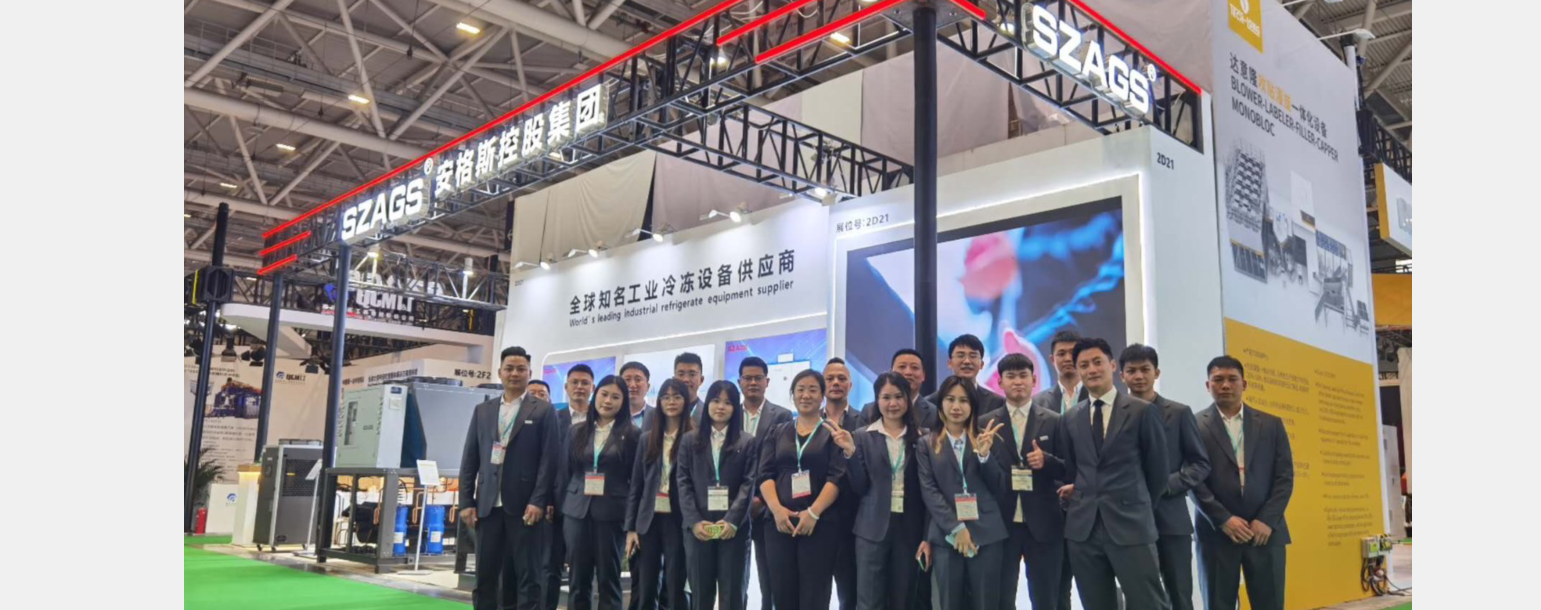
Anges Booth No.:D21(Hall 2)
Date:15th-18th April 2025
Add:Shenzhen World Exhibition&Convention Center(Ban'an)
Why air-cooled chiller has high pressure alarm?
In hot summer, many air-cooled chillers have high pressure alarm,especially in areas with relatively high temperatures which can be above 45℃, such as Saudi Arabia, the United Arab Emirates, Iraq and so on.
General air-cooled chiller is equipped with a full set of protection devices, when the chiller appears high pressure alarm, it will automatically start the protection device, and the corresponding fault indicator light will be lit.
The high pressure alarm of the air-cooled chiller is triggered by the poor cooling effect of the condenser.If this problem is not fixed and keep running the chiller at high pressure for a long time, it will cause the current to be too large and burn the compressor.
The reasons for the chiller high pressure alarm are as follows:
1. Air-cooled chiller’s condenser rely on fans to dissipate heat.When the ambient temperature is above 42 degrees, the heat dissipation of the condenser is poor, that is, the heat generated by the refrigerant circulation cannot be taken away by the fan.
2. The condenser is dirty and blocked, which will also cause poor heat dissipation and lead to high pressure alarm.
Solution:
1. Check whether the fan works properly.
2. Make sure there’s good ventilation to exhaust hot air smoothly.
3. If the ambient temperature is higher than 42 degrees, use a fan or cooler to cool down the temperature around.
4. Periodically remove the air filter to clean the fins or clean the fins with high-pressure air.
5. If the ambient temperature is around 42 ℃, need to increase the condenser size to improve heat dissipation efficiency.Normally, we will increase size to 25% for chiller using refrigerant R22, R407c, R410a.
If ambient temperature higher than 45 ℃, we suggest to design the chiller with R134a which can be used at ambient temperature of 50 ℃.The disadvantage is that the cost is relatively high, because its refrigeration efficiency is only 65% compare with other refrigerants, in order to achieve the same cooling capacity, you must use a larger compressor.
P.S. The installation of air-cooled chiller should choose the right location to ensure that the installation environment is well ventilated.
How to Maintain Chiller in Winter
In the summer, many factories need to run the chiller for24 hours everyday, which is very high efficiency.But in winter,many factories insome areasdon’t need chillers to cool. When shuts down the chiller, we must do a good job in the maintenance of chiller, so how to maintain chiller in winter?
Ⅰ Clean
1. Shut off the water source of the chiller, and clean the water inside the unit components and pipes to avoid water corrosion of the unit components after the shutdown or frost-swell copper pipe with too low temperature.
At the same time, the drain nut under the water pump should be unscrewed to drain out the remaining water in the water pump, so as to prevent the water system from freezing due to the low ambient temperature,and lead tothe evaporator bursting and cracking which may cause the refrigerant leakage or damage of the pump impeller and other faults.
2.Clean the fans of the air-cooled chiller and keep it in a clean.
3.Whether tank of evaporator is anyimpurity, and remove it.
4.Check the using of lubricating oil through data records, and replacing the lubricating oil regularly according to the standards to maintain a good lubrication.
5.Cooling water pipes of the chiller must be insulated which not only prevent the serious loss of cooling capacity, but also prevent the dew formed on the outer of the pipes.
Ⅱ Maintenance
1.Keep refrigerant and oil in clean and moisture-free to avoid moisture pollution.Need vacuum to remove moisture after maintenance on any part of the cooling system and before restarting work.
2.Keepclean for the in letfilter of the chiller. Regular inspections are required, especially forthe suction passage of compressor there may be welding slag and pipesrust.There are too much dirt on the suction filter, which will cause to fracture filter, and particles leak into compressor.
3.Keep clean forthe oil filter. If there is an increase in pressure-drop , it indicates that there is dirt, and it is necessary to shut down thechiller to clean or replace theoilfilter.Compressor runs under high pressure-drop for a long-term, which will cause to run out ofcompressor oilanddamage bearings early.
4.Avoid the chiller compressor from being blocked by liquid refrigerant. Make sure that there is overheating enough and the suitable suction accumulator to avoidcharge liquid refrigerant into the compressor. Liquid refrigerant will cause tocut the lifespan of the compressor, and complete damage to the compressor under extreme conditions.
5.Protect the compressor during shutdown forlong-term.If non-operational shutdown for a long term,and then the compressor should be vacuumed to low pressure and then filled with nitrogen or oil.
6.As long as the compressor shows obvious change in vibration level, noise, or performance in any time, it should be taking preventive maintenance inspections.
About Chiller Low Pressure Alarm
1.Cooling system leak
There are leaks in the connecting pipes of the cooling system,such as welding point leakage, corrosion leakage, fracture caused by mechanical vibration,and human factors, etc. These will leads to malfunction of low pressure.
Solution
First of all, use leakage detection liquid (soap water, or detergent mixed with water) or halogen leak detector to find the leakage point. After the leakage point is found, repair it with welding equipment,then pressure holding to test leak and vacuum pumping before charging refrigerant according to the manufacturer's specifications, the chiller can resume normal operation.
2.Cooling system blockage
A. Blockage By impurities
If the filter is blocked due to dirt, it will only cause the cooling capacity drop slightly, and you may not even feel any affected.When the filter is slightly clogged, there will be a temperature difference of the inlet and outlet of the filter, which can be felt by holding the inlet and outlet with your hand.When it is block seriously, the filter will dew or frost. If there is dew or frost (except the dew after the chiller stop running under normal operation), it can be judged that the filter is block.
Solution
Replace the filter of same model
B.Ice Blockage
The water in the system runs with the refrigerant to the throttle valve (expansion valve). After throttling expansion, freeze at throttle outlet, thus blocking the throttle valve (expansion valve) and lead to a low-pressure fault.
Solution
Change the filter with same model.
C.Expansion Valve Damaged
Expansion valve is affected by environment in the process of using. There is corrosive gases that will corrode the liquid in some environments,which will corrode the expansion valve.
Solution
Replace new expansion valve of same model
3. Heating exchange of evaporator is seriously in sufficient.
A.Insufficient water flow in the evaporator
The water pump is broken or something bad enter in to the pump impellers,appear leakage in the water inlet pipes of water pump,(It is difficult to check, needs careful analysis),which are resulting in insufficient water flow.
Solution
Replace water pump. Or disassemble the water pump to clear the bad something in the impellers.
B.Evaporator is blocked by bad something
Firstly, you must eliminate the problem of the water pump. When the equipment is normal, there will not be a lot of condensed water,frostorice on the surface of the compressor. When you see a lot of condensed water,frostorice on the surface of the compressor, it can basically be judged that the evaporator is blocked.
Solution
If the evaporator is blocked or the evaporator tubesarescaled,please disassemble the evaporator,and remove the evaporator tubes, then rinse with a high-pressure water gun or soake and wash with a special chemical liquid.